Best Electric Toothbrushes Worth the Upgrade (2026)
⚠️ Price notice: Prices shown are approximate and subject to change. Always check Amazon for the current price before purchasing.
We may earn a commission from qualifying purchases made through our Amazon links. Disclosure.
The top electric toothbrushes for better dental health — comparing cleaning performance, battery life, features, and replacement brush costs.
Switching from a manual toothbrush to an electric one is one of the simplest, most impactful health upgrades you can make. Clinical studies consistently show that oscillating and sonic electric toothbrushes remove significantly more plaque than manual brushing — typically 11-21% more after 1-3 months of use. The right electric toothbrush builds better brushing habits through timers, pressure sensors, and consistent cleaning action. We compared the top options across cleaning performance, real battery life, how much replacement heads cost over time, and which features actually matter versus marketing gimmicks.
What to look for
Cleaning Technology
Oscillating-rotating (Oral-B) physically spins and reverses to scrub each tooth. Sonic (Philips Sonicare) uses high-frequency vibrations to create a sweeping action. Both are clinically effective — oscillating tends to score slightly better in plaque removal studies, but sonic is gentler on sensitive gums.
2-Minute Timer
Every electric toothbrush should have a 2-minute timer with 30-second quadrant alerts. This is the single most important feature — most people manually brush for only 45-60 seconds. The timer ensures you brush long enough.
Pressure Sensor
Mid-range and premium toothbrushes include pressure sensors that alert you when you're pressing too hard. Excessive pressure causes gum recession and enamel wear over time. If you tend to scrub aggressively, a pressure sensor is worth the upgrade.
Replacement Head Cost
This is the true long-term cost of an electric toothbrush. Heads should be replaced every 3 months. Genuine Oral-B heads run ~$6 each; Sonicare heads ~$8 each. Compatible third-party heads from reputable brands cut costs by 50-70% with comparable quality.
Battery Life
Most modern electric toothbrushes last 2-4 weeks per charge with twice-daily use. Anything above 2 weeks is fine for daily use. Long battery life matters most for travel — not needing to pack a charger for a week-long trip is a real convenience.
Our top picks
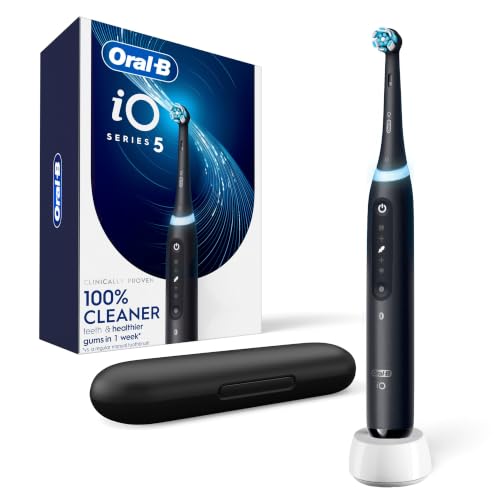
Oral-B iO Series 4
⭐ 4.5 (20,000+ reviews)
The Oral-B iO Series 4 brings the core innovations of Oral-B's premium iO line — magnetic drive for smooth power delivery, a round brush head that cups each tooth, and a pressure sensor — to a genuinely affordable price point. The interactive display shows brushing modes and battery status clearly, and the 4 cleaning modes cover daily clean, whitening, sensitive, and intense clean. This is the best balance of performance and price in electric toothbrushes.
⭐ Why we pick this: The magnetic drive technology brings Oral-B's premium iO cleaning action to an affordable price — the difference between how this cups and cleans each individual tooth versus a standard Oral-B is immediately noticeable.
Pros
- ✓iO magnetic drive technology — smooth, powerful cleaning
- ✓Pressure sensor alerts when pressing too hard
- ✓4 cleaning modes including sensitive and whitening
- ✓Interactive LED display shows mode and battery
- ✓2-minute timer with 30-second quad pacer
- ✓Round brush head cups each tooth individually
Cons
- ✗Replacement iO brush heads cost ~$9 each (premium pricing)
- ✗Proprietary charger — magnetic base, not USB
- ✗No Bluetooth app connectivity at this tier
- ✗Only one brush head included in the box
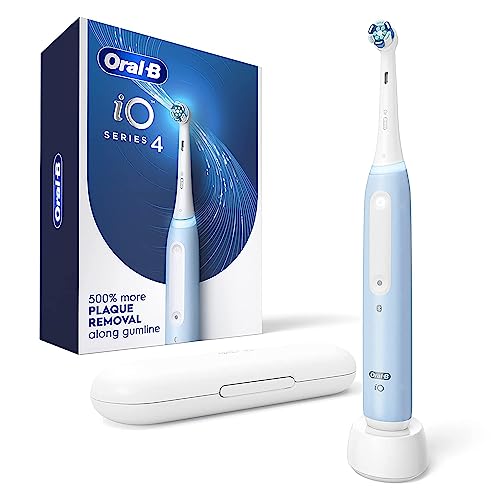
Philips Sonicare 4100
⭐ 4.6 (35,000+ reviews)
The Sonicare 4100 is the most affordable way to experience Sonicare's signature sonic cleaning technology. The high-frequency vibrations (31,000 brush strokes/minute) create a gentle cleaning action that's significantly easier on sensitive gums than oscillating brushes — which matters if you have gum inflammation or recession. At $30, it's the best value entry into electric brushing.
⭐ Why we pick this: 31,000 brush strokes per minute with a pressure sensor at $30 is the gentlest, most accessible entry into clinically superior electric toothbrushing — especially recommended for anyone who currently brushes too hard.
Pros
- ✓Exceptionally gentle on sensitive gums
- ✓31,000 brush strokes per minute
- ✓Pressure sensor warns when pressing too hard
- ✓2-minute SmarTimer with QuadPacer
- ✓14-day battery life on a single charge
- ✓BrushSync reminder tracks brush head wear
- ✓Outstanding value at ~$30
Cons
- ✗Only one cleaning mode (no whitening or deep clean)
- ✗Replacement Sonicare heads are expensive (~$8 each)
- ✗No travel case included
- ✗Older design aesthetic
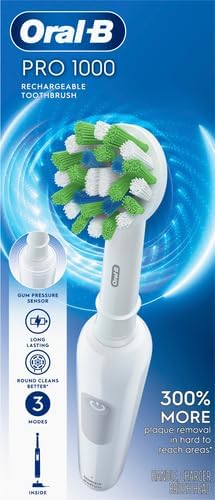
Oral-B Pro 1000
⭐ 4.5 (50,000+ reviews)
The Oral-B Pro 1000 has been the default dentist recommendation for years — and for good reason. It does one thing exceptionally well: clean teeth with Oral-B's proven oscillating-rotating-pulsating action, guided by a 2-minute timer and pressure sensor. No unnecessary modes, no Bluetooth, no app. Just solid, effective cleaning at $25. Dental professionals consistently rate this as the best value electric toothbrush.
⭐ Why we pick this: The default dentist recommendation for over a decade for good reason — the oscillating-rotating-pulsating action, 2-minute timer, and pressure sensor cover everything clinically necessary at $25 with nothing wasted on marketing extras.
Pros
- ✓Proven oscillating-rotating-pulsating cleaning action
- ✓Pressure sensor included even at this price
- ✓2-minute timer with 30-second quad alerts
- ✓Compatible with all Oral-B replacement heads
- ✓Recommended by more US dentists than any other brand
- ✓Extremely affordable at ~$25
Cons
- ✗Only one cleaning mode
- ✗No LED display or mode indicator
- ✗Older, bulkier design
- ✗7-day battery life — below average
- ✗No travel case included
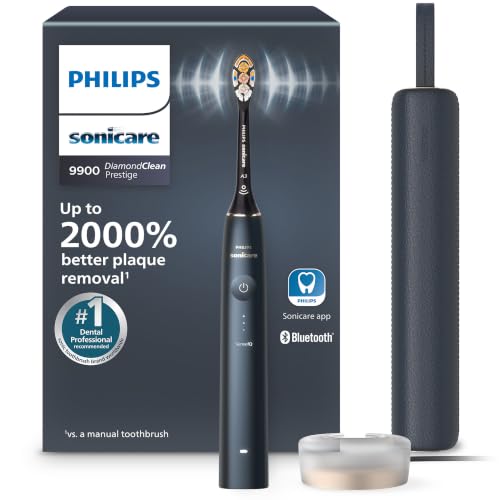
Philips Sonicare DiamondClean 9900 Prestige
⭐ 4.6 (8,000+ reviews)
The DiamondClean 9900 Prestige is Sonicare's flagship, and it justifies the premium with AI-powered SenseIQ technology that adjusts pressure, speed, and motion in real-time based on your brushing technique. It literally adapts to how you're brushing each tooth. The premium charging glass (doubles as a rinse cup) and sleek design make it feel like a luxury product. The Sonicare app provides personalized coaching with 3D mouth mapping.
⭐ Why we pick this: SenseIQ adapting the motor in real-time to your actual brushing technique is the meaningful premium technology here — not the charging glass — and it's the best available if you want the top-of-market electric toothbrush.
Pros
- ✓SenseIQ AI automatically adjusts to your brushing style
- ✓4 intensity settings and multiple cleaning modes
- ✓Premium charging glass doubles as a rinse cup
- ✓Sonicare app with 3D mouth mapping and personalized coaching
- ✓14-day battery life
- ✓Travel case included
- ✓Sleek, premium build quality
Cons
- ✗Very expensive at ~$300
- ✗SenseIQ requires Bluetooth app for full benefit
- ✗Premium brush heads cost ~$10 each
- ✗Diminishing returns vs. the $30 Sonicare 4100 for basic cleaning

Quip Ultra Lite Sonic Electric Toothbrush
⭐ 4.2 (22,000+ reviews)
Quip built its brand on simplicity and travel-friendliness, and the Ultra Lite Sonic delivers on both. The slim, metal body weighs almost nothing, three brushing modes cover daily and sensitive use, and the AAA battery lasts 3 months — no charger to pack. The optional subscription sends a new brush head every 3 months for $5 — the most convenient replacement head program available.
⭐ Why we pick this: A 3-month AAA battery life with no charger to pack and a built-in travel case genuinely simplifies how you travel — at $40 with a $5/quarter brush head subscription, the convenience-to-cost ratio is hard to beat.
Pros
- ✓Ultra-slim, travel-friendly design
- ✓AAA battery lasts 3 months — no charger needed
- ✓Cover doubles as a travel case and wall mount
- ✓3 brushing modes including sensitive mode
- ✓Optional $5/quarter subscription for replacement heads
- ✓2-minute timer with 30-second pulses
Cons
- ✗Sonic vibrations are weaker than Sonicare competitors
- ✗No pressure sensor
- ✗AAA battery means slightly less power vs. rechargeable
- ✗Cleaning performance noticeably below Oral-B and Sonicare
Our verdict
For most people, the Oral-B iO Series 4 at ~$60 is the ideal balance of performance, features, and price — the magnetic drive and pressure sensor are genuine upgrades. Budget shoppers should grab the Oral-B Pro 1000 at $25 (dentist-approved for decades) or the Sonicare 4100 at $30 (best for sensitive gums). The premium Sonicare 9900 Prestige is excellent but hard to justify over the $60 Oral-B iO for basic dental health. Frequent travelers should consider the Quip for its zero-maintenance portability.
Frequently asked questions
Is an electric toothbrush better than a manual one?
What is the best electric toothbrush for the money?
Oral-B vs Philips Sonicare — which is better?
How often should you replace an electric toothbrush head?
Prices may vary. Check Amazon for current pricing.