Best Smart Home Starter Devices (2026 Beginner's Guide)
⚠️ Price notice: Prices shown are approximate and subject to change. Always check Amazon for the current price before purchasing.
We may earn a commission from qualifying purchases made through our Amazon links. Disclosure.
The best first smart home devices to buy — a practical guide to smart speakers, plugs, lighting, and security without the complexity.
Building a smart home doesn't require a massive budget or a weekend of setup. The right starter devices — a smart speaker, a few smart plugs, and some smart lighting — can automate your daily routine and set the foundation for a connected home that keeps growing. The hardest part isn't the technology; it's choosing the right ecosystem and the right first products. This guide walks you through the best starting points for 2026, with practical advice on what to buy first and what to avoid.
What to look for
Ecosystem Compatibility
Decide on Alexa (Amazon), Google Home, or Apple HomeKit early. Most devices work with all three, but do your best within one ecosystem for seamless automations and voice control.
Setup Simplicity
Starter devices should be plug-and-play. Avoid anything that requires a separate hub, custom configuration, or developer tools. Your first smart home devices should be working in minutes.
Reliability
Read reviews specifically about connectivity and long-term reliability. A smart plug that disconnects from Wi-Fi weekly is worse than a regular plug. Reliability is more important than features at the start.
Privacy Trade-offs
Voice assistants record audio after the wake word. Smart cameras store video. Be intentional about which rooms and devices you connect. Check each brand's privacy policy and data retention terms.
Expandability
Pick devices from brands with large product ecosystems so you can expand easily. Kasa plugs, Philips Hue bulbs, and Ring cameras all have extensive product lines that work together.
Our top picks
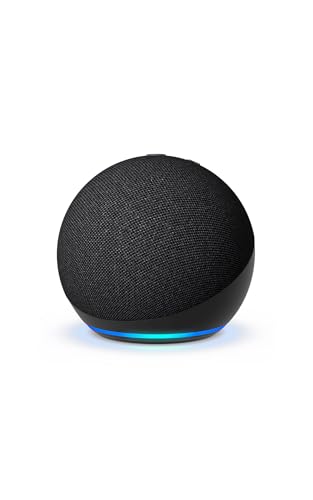
Amazon Echo Dot (5th Gen)
⭐ 4.7 (200,000+ reviews)
The Echo Dot 5th Gen is the perfect entry point into smart home automation. It sounds significantly better than earlier Dots, handles Alexa commands reliably, and acts as a central hub for Alexa-compatible devices across your home. New in Gen 5: a built-in temperature sensor and motion detection add real utility to automations.
⭐ Why we pick this: The built-in temperature sensor and motion detector in Gen 5 turn this from a simple speaker into a genuine home automation hub — at $50, it's the most utility-per-dollar smart home starting point available.
Pros
- ✓Best all-round value smart speaker under $50
- ✓Built-in temperature sensor and motion detection (new in Gen 5)
- ✓Acts as Zigbee hub for compatible devices
- ✓Thousands of compatible smart home integrations
- ✓High-quality speaker much improved over Gen 4
Cons
- ✗Requires Amazon account
- ✗Voice data is processed on Amazon servers
- ✗Alexa occasionally mishears commands in noisy rooms
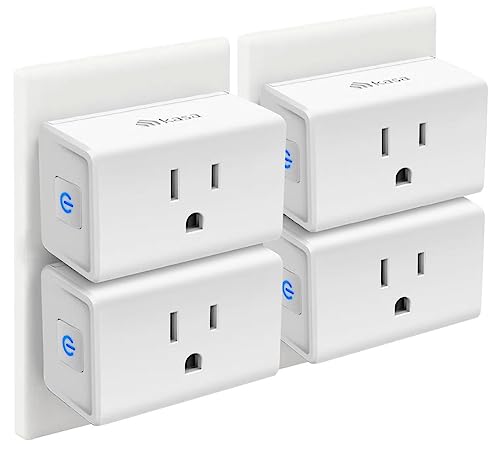
Kasa Smart Plug Mini EP25
⭐ 4.6 (85,000+ reviews)
Kasa's EP25 smart plug is the most reliable, no-hub-required smart plug available today. It works with Alexa, Google Home, and Siri Shortcuts, and the built-in energy monitoring tells you exactly how much power each device is drawing. At $15 (often sold in 4-packs for better value), it's the easiest smart home upgrade you can make.
⭐ Why we pick this: Energy monitoring at $15 that works with every major voice assistant and never drops its Wi-Fi connection — identifying which appliances are quietly costing you money pays for this purchase within the first month.
Pros
- ✓No hub required — connects directly to Wi-Fi
- ✓Energy monitoring shows real-time power consumption
- ✓Works with Alexa, Google Home, and Siri Shortcuts
- ✓Extremely reliable connectivity over years of use
- ✓Small form factor doesn't block adjacent outlet
- ✓Schedule, away mode, and countdown timer built in
Cons
- ✗No native HomeKit support (Siri via Shortcuts only)
- ✗Wi-Fi only — no Zigbee or Z-Wave for longer range
- ✗Requires a Kasa account for remote control
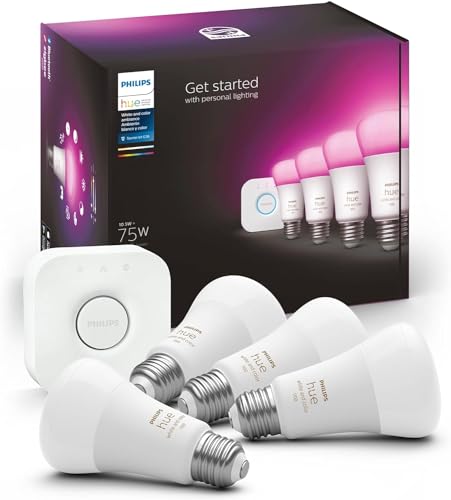
Philips Hue White & Color Starter Kit
⭐ 4.6 (40,000+ reviews)
Philips Hue is the gold standard for smart lighting, and the Starter Kit — which includes the Hue Bridge plus 2-3 bulbs — is the right entry point. The Hue Bridge unlocks automations, routines, geofencing, and third-party integrations that Wi-Fi-only bulbs can't match. Crucially, Hue lights continue to work via the Bridge during internet outages.
⭐ Why we pick this: The Hue Bridge is the only reason your smart lights keep working during internet outages — a reliability advantage that Wi-Fi-only smart bulbs are fundamentally incapable of offering.
Pros
- ✓Industry-leading reliability — works for years without issues
- ✓Compatible with every smart home ecosystem
- ✓Automations work even without an internet connection
- ✓Huge accessory ecosystem (dimmer switches, motion sensors, gradient lights)
- ✓Color accuracy is the best in the smart bulb category
Cons
- ✗Requires Hue Bridge (included in starter kit)
- ✗More expensive than budget Wi-Fi smart bulbs
- ✗Color bulbs cost significantly more than white-only
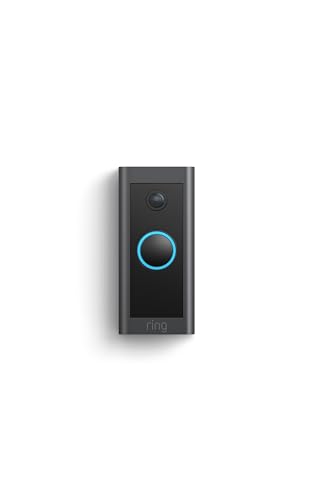
Ring Video Doorbell (Wired)
⭐ 4.5 (55,000+ reviews)
The Ring Video Doorbell Wired is the most popular video doorbell for good reasons: easy setup, 1080p HD video with night vision, reliable motion detection with customizable zones, and deep Alexa integration. See who's at the door from anywhere with two-way audio. A Ring Basic plan ($4/month) unlocks cloud video recording and sharing.
⭐ Why we pick this: Seeing and speaking to whoever's at your door from anywhere in the world for $4/month is one of the most immediately practical home security upgrades — especially for first-time homeowners or apartment dwellers.
Pros
- ✓1080p HD video with night vision
- ✓Two-way audio for remote conversations
- ✓Advanced motion zones for precise detection
- ✓Alexa-compatible — announce visitors on Echo devices
- ✓Wide-angle lens captures full doorstep view
Cons
- ✗Cloud recording requires Ring Basic plan ($4/month)
- ✗Wired version requires existing doorbell wiring and transformer
- ✗Video data stored on Ring/Amazon servers
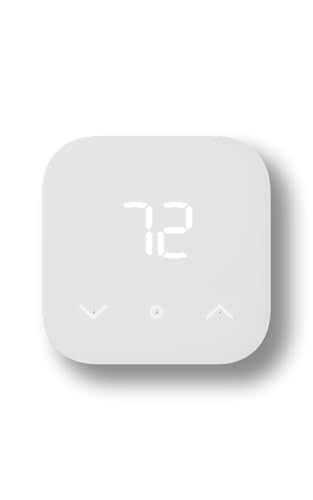
Amazon Smart Thermostat
⭐ 4.4 (25,000+ reviews)
Co-designed by Amazon and Honeywell, the Amazon Smart Thermostat is the best-value smart thermostat on the market. It qualifies for a $50+ rebate from many energy utility companies — effectively making it free or close to it. It learns your schedule automatically, integrates natively with Alexa, and displays energy usage over time. ENERGY STAR certified.
⭐ Why we pick this: The only smart thermostat that commonly costs under $10 after utility rebates in many states — the auto-learning schedule and Alexa integration are the bonus, not the reason to buy it.
Pros
- ✓ENERGY STAR certified for energy savings
- ✓Qualifies for $50+ utility rebates in many states — check eligibility
- ✓Auto-schedule learning adapts to your routine
- ✓Alexa-native control and integration
- ✓Easy installation with step-by-step app guidance
- ✓Full-color display shows temperature at a glance
Cons
- ✗Works best in the Alexa ecosystem (limited Google/Apple support)
- ✗Requires C-wire or purchase of a common wire adaptor
- ✗Learning algorithm less sophisticated than Ecobee or Google Nest
Our verdict
Start simple: an Echo Dot 5th Gen plus 2-3 Kasa smart plugs costs under $100 and is immediately useful without any technical setup. Add Philips Hue for lighting next to unlock powerful automations. If home security matters, add the Ring doorbell. The Amazon Smart Thermostat is the best long-term value — especially if your utility provider offers a rebate, which can make it essentially free.
Frequently asked questions
What smart home devices should a beginner buy first?
Is Alexa or Google Home better for a smart home starter?
Do smart home devices work without a hub?
Can smart home devices save money on electricity?
Prices may vary. Check Amazon for current pricing.