Best Smart Thermostats Under $200 (2026)
⚠️ Price notice: Prices shown are approximate and subject to change. Always check Amazon for the current price before purchasing.
We may earn a commission from qualifying purchases made through our Amazon links. Disclosure.
The best Wi-Fi and smart thermostats under $200 — compared for energy savings, app quality, and compatibility with Alexa and Google Home.
A smart thermostat pays for itself. The average American household saves 10–23% on heating and cooling costs after installing one — typically $130–$180 per year. Most smart thermostats under $200 now offer learning algorithms, geofencing, energy reports, and voice control. The question is which one fits your system and your habits.
What to look for
Compatibility with Your HVAC System
Before buying any smart thermostat, check if your system has a C-wire (common wire). Most modern systems do. If not, look for thermostats that include a power adapter or use power stealing. Check the manufacturer's compatibility checker with your system's model number.
Learning vs. Programmable
Learning thermostats (like Nest) observe your schedule and temperature preferences for 1–2 weeks and auto-program. Programmable thermostats let you manually set schedules. Learning is more convenient; programmable gives more control. Both save roughly equal energy when used properly.
Geofencing
Geofencing uses your phone's GPS to detect when you've left home and automatically switch to an energy-saving mode — then pre-heat or cool before you return. This single feature can save 10-15% on bills for people with irregular schedules.
Smart Home Ecosystem
Check compatibility with your existing ecosystem. Nest integrates deeply with Google Home. Ecobee works well with Alexa and HomeKit. Wyze Thermostat works with both. Buying the wrong ecosystem requires workarounds.
Energy Reports
Monthly energy reports show you how long your system ran, what drove high-usage days, and how you compare to similar homes. This feedback loop is what drives the actual behavior changes that save money.
Our top picks

Google Nest Thermostat (2020)
⭐ 4.5 (28,000+ reviews)
Google's 4th-gen Nest Thermostat brings the famous learning algorithm to a $130 price point. The mirror display blends into most walls and the setup process is among the easiest in the industry. Nest's energy history, Seasonal Savings feature, and Rush Hour Rewards program deliver real, measurable bill reductions.
⭐ Why we pick this: The best balance of learning features, app quality, and price. The Nest ecosystem and Google Home integration is the most polished smart thermostat experience available.
Pros
- ✓Learning algorithm auto-programs your schedule
- ✓Geofencing with Google Home app
- ✓Energy history and Seasonal Savings feature
- ✓Mirror display fits any décor
- ✓Easy 30-minute DIY installation
Cons
- ✗No physical buttons (mirror swipe only)
- ✗Requires Nest app for full features
- ✗No HomeKit/Apple Home support
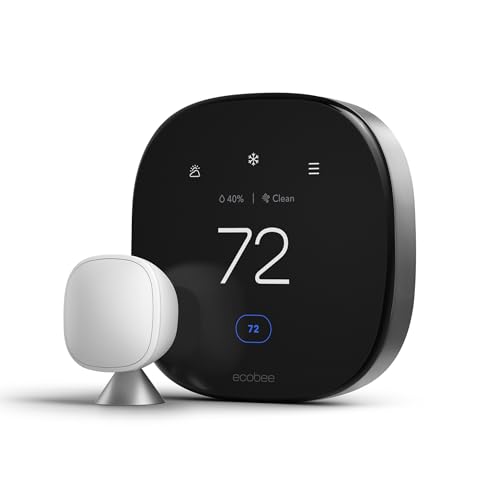
ecobee SmartThermostat Enhanced
⭐ 4.6 (14,200+ reviews)
Ecobee's SmartThermostat Enhanced is the best choice for Apple HomeKit users and the best Alexa-integrated thermostat. The included SmartSensor detects occupancy in specific rooms — if your bedroom is occupied but your living room isn't, ecobee adjusts accordingly. This room-level intelligence can make a meaningful difference in multi-room homes.
⭐ Why we pick this: The only major smart thermostat with full Apple HomeKit support, and the included room sensor adds intelligence that single-sensor thermostats can't match.
Pros
- ✓Full Apple HomeKit, Alexa, and Google Assistant
- ✓Includes SmartSensor for room-level occupancy
- ✓Built-in Alexa speaker
- ✓Works without C-wire (includes adapter)
- ✓Detailed energy reporting
Cons
- ✗Higher price at $160
- ✗App interface less intuitive than Nest
- ✗Alexa speaker quality is mediocre

Wyze Thermostat
⭐ 4.3 (9,800+ reviews)
At $50, the Wyze Thermostat is the entry point for smart home temperature control. It's not a learning thermostat but it includes scheduling, geofencing, remote control, Alexa/Google Assistant support, and a clean touchscreen. For renters or budget buyers who just want remote control and scheduling, it's hard to beat.
⭐ Why we pick this: Remote control, scheduling, and geofencing for $50 with no subscription required. The best option for renters or anyone who doesn't need learning features.
Pros
- ✓$50 entry price
- ✓Geofencing and remote control via app
- ✓Alexa and Google Assistant compatible
- ✓Includes C-wire adapter
- ✓No subscription required for core features
Cons
- ✗No learning algorithm
- ✗Basic energy reporting
- ✗App lacks depth vs. Nest/ecobee
Our verdict
For most homeowners, the Nest Thermostat delivers the best balance of features and ease of use at $130. Apple ecosystem users should choose the ecobee for HomeKit compatibility. Renters and budget buyers will get 90% of the practical benefits from the Wyze Thermostat at $50.
Frequently asked questions
How much does a smart thermostat actually save?
Do I need a C-wire for a smart thermostat?
Can a smart thermostat work with a heat pump?
Is the learning feature in Nest actually useful?
Prices may vary. Check Amazon for current pricing.